



$89.00
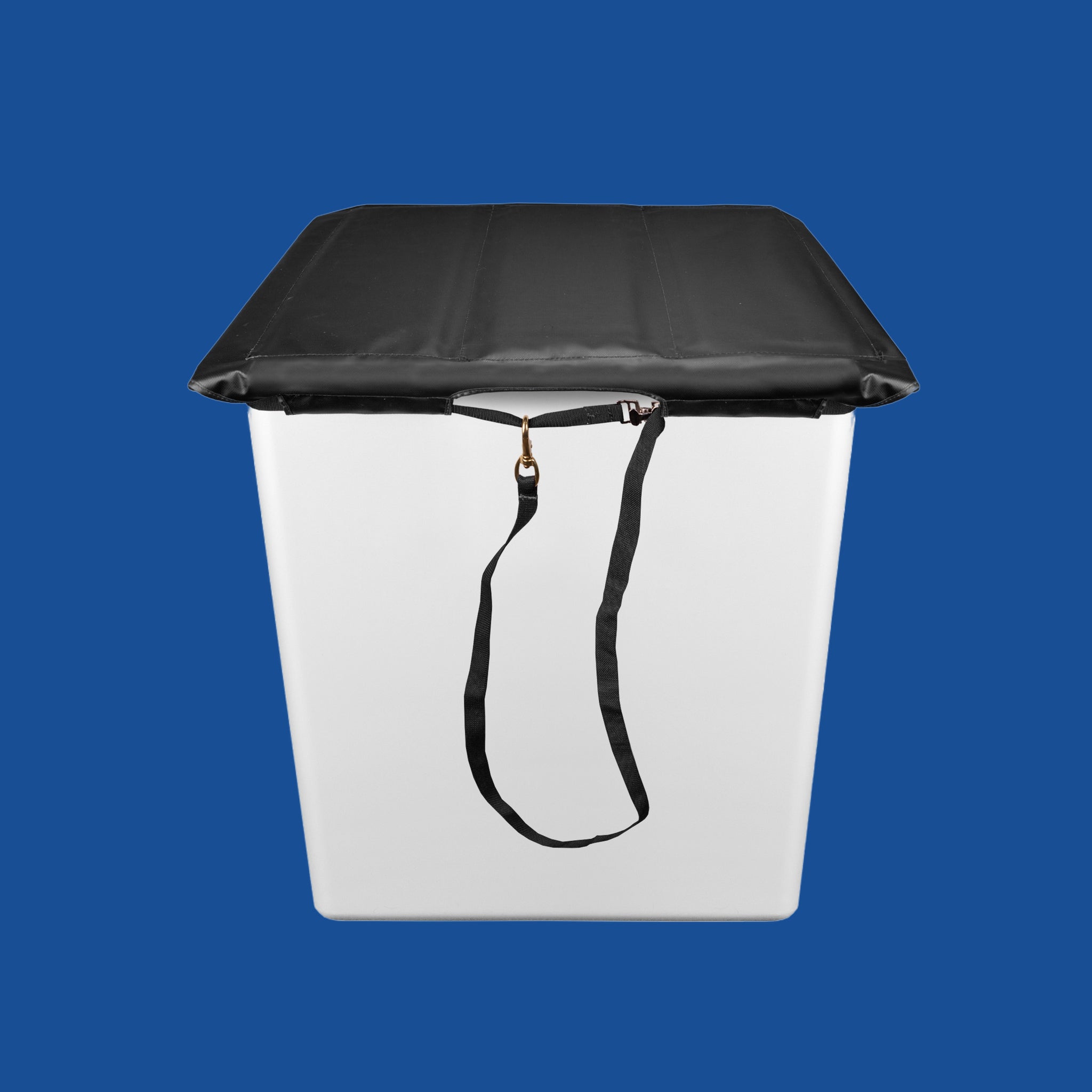
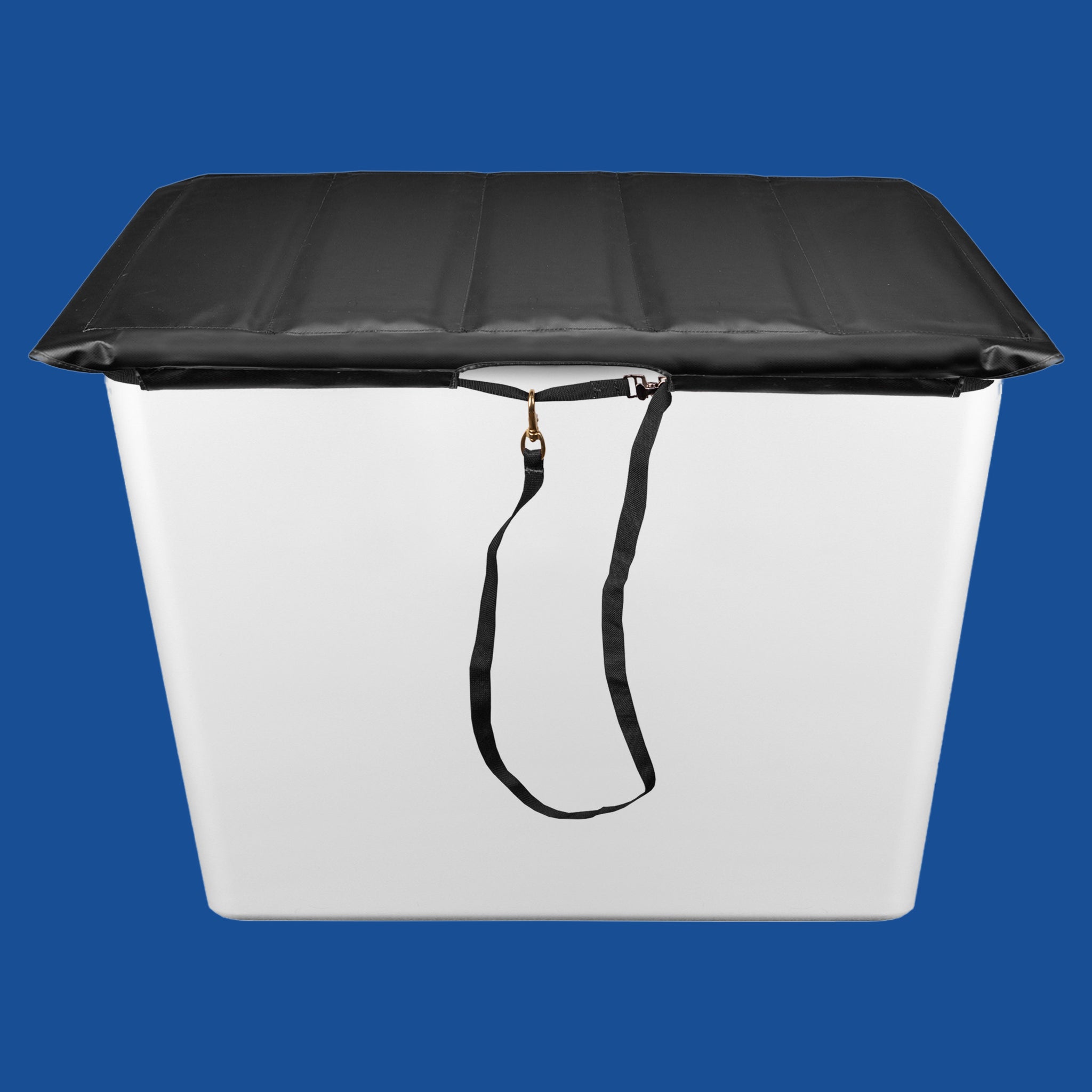
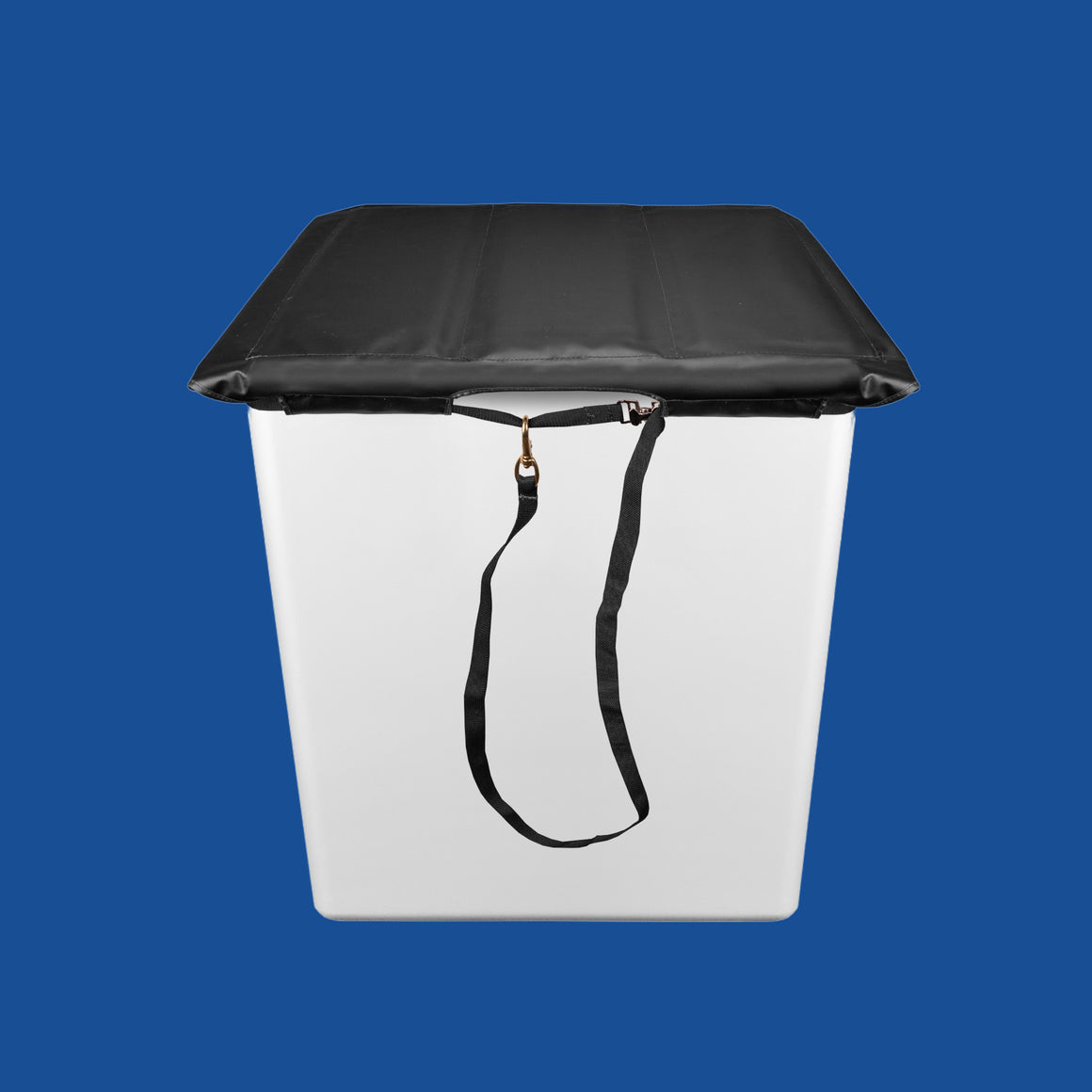
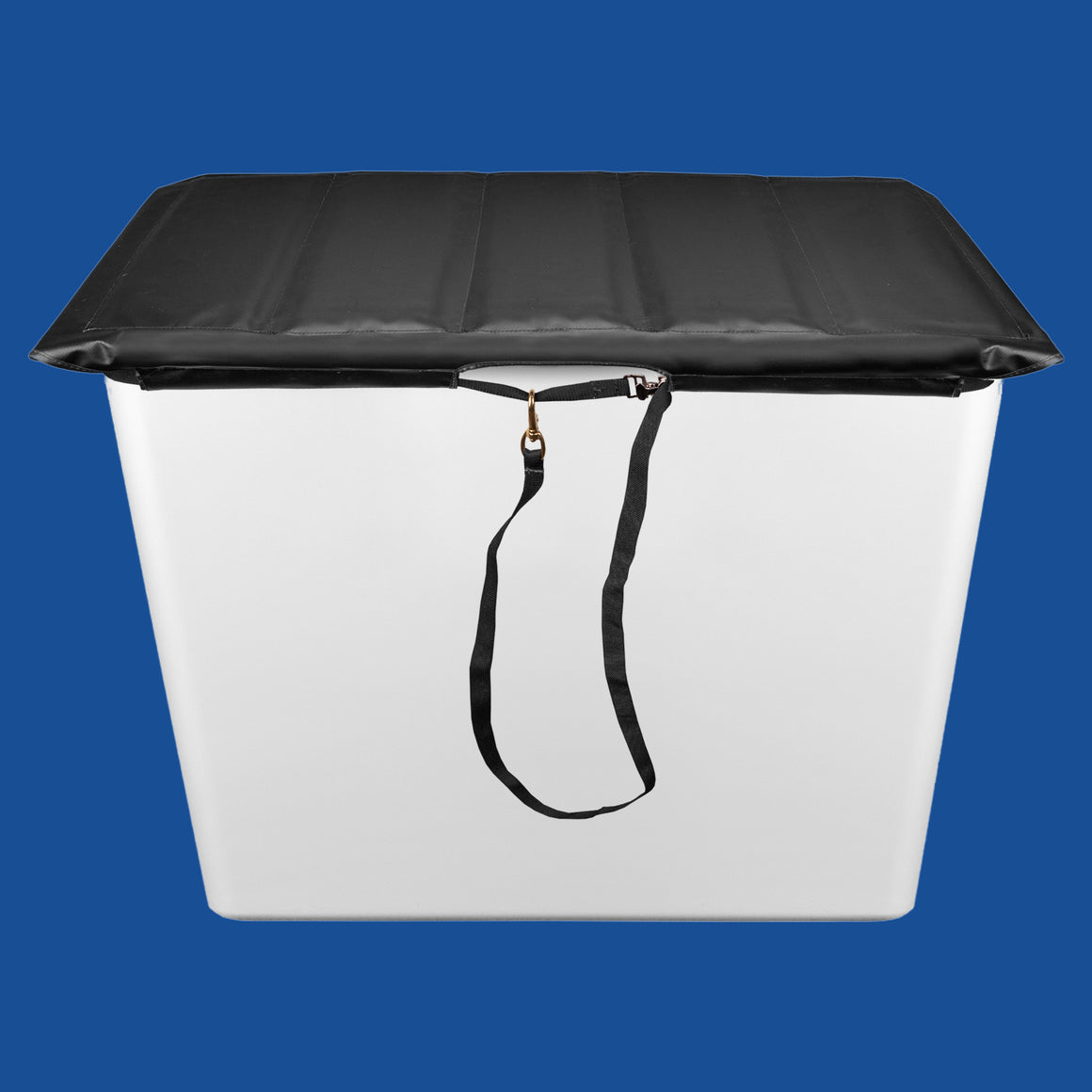
Bucket Cover - 28" x 28" Edge to Edge - Heavy Duty Vinyl Material: 22...
$124.00
Bucket Cover - 28" x 28" Edge to Edge - Folding Hard Top for Single Man...
$139.00
Bucket Cover - 28" x 51" Edge to Edge - Folding Hard Top for Two...

$299.00
DESCRIPTION Work Shelf & Tool Tray - Bucket Mounted (Non-Skid Surface) Material: Fiberglass Part #: 50560021...
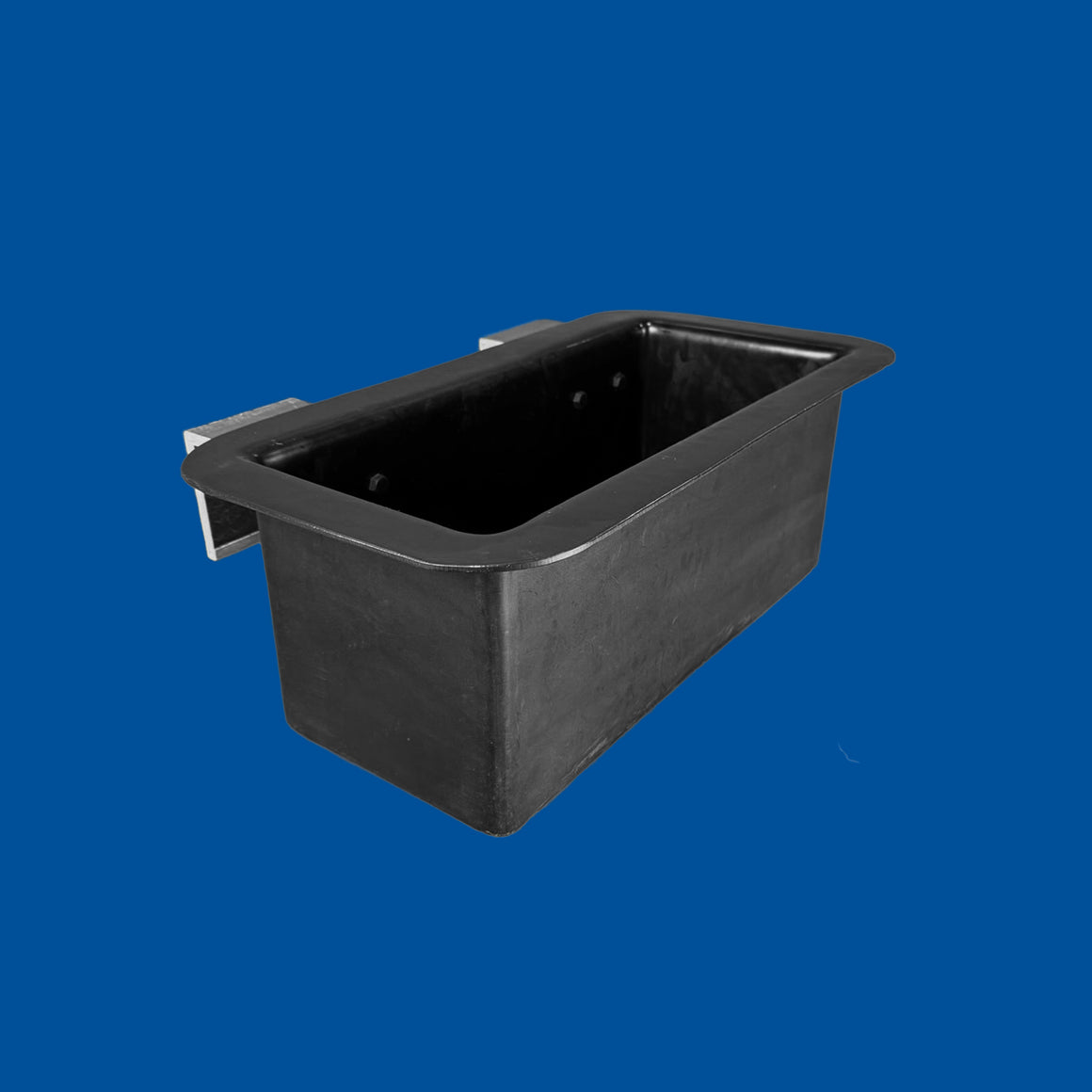
$149.00
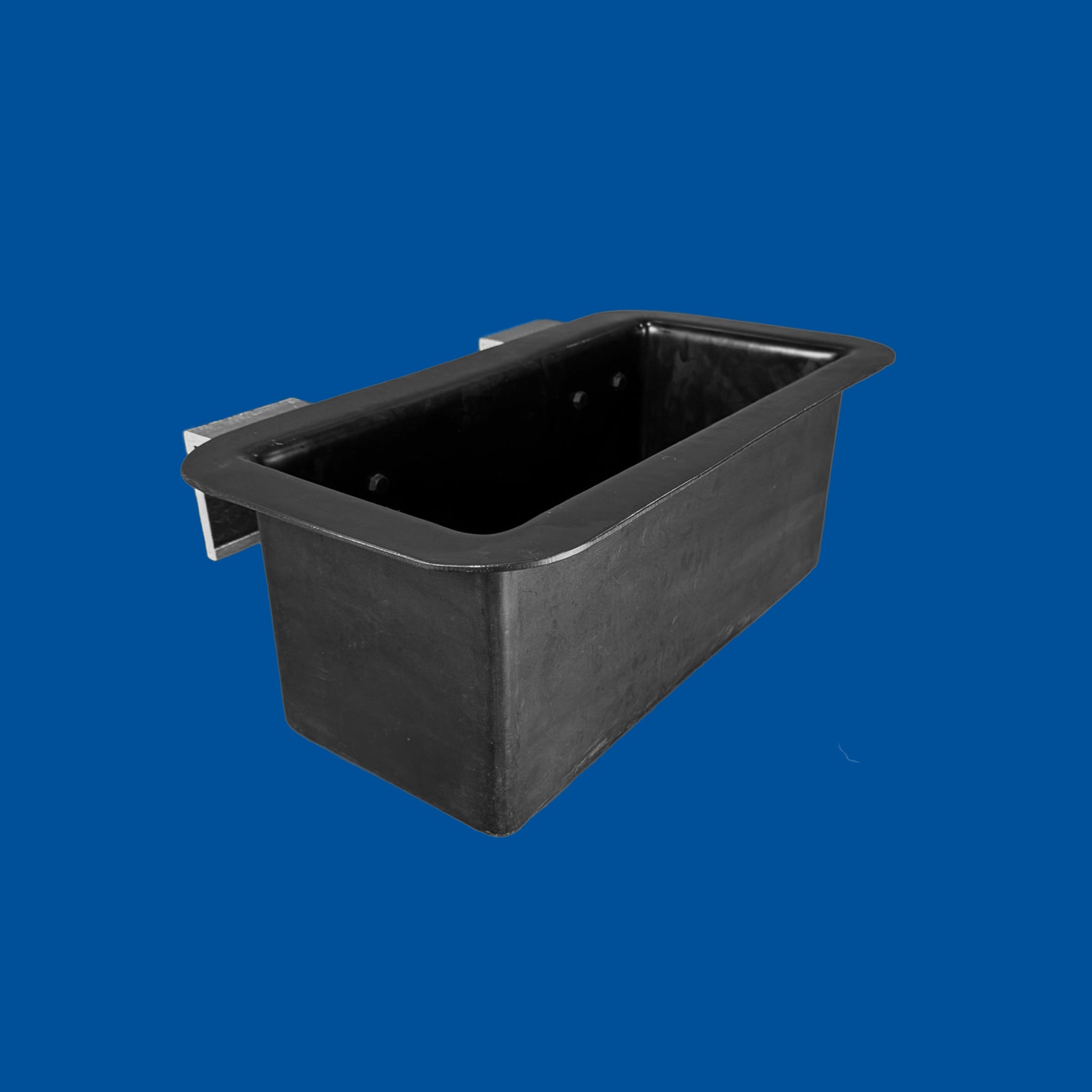
DESCRIPTION Tool Tray - Large - Plastic - Outside Mount - HEAVY DUTY (2025 Version)...
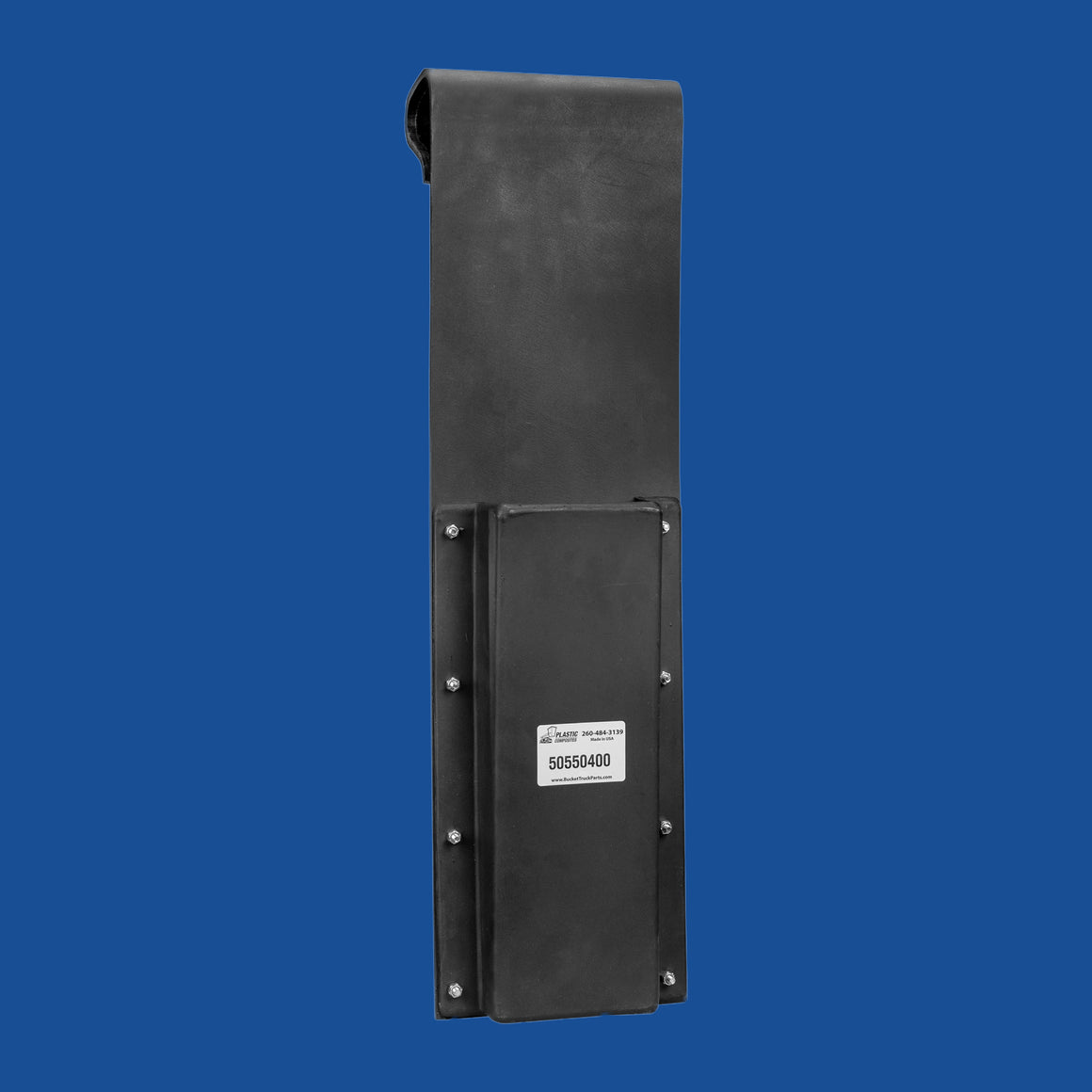
$129.99
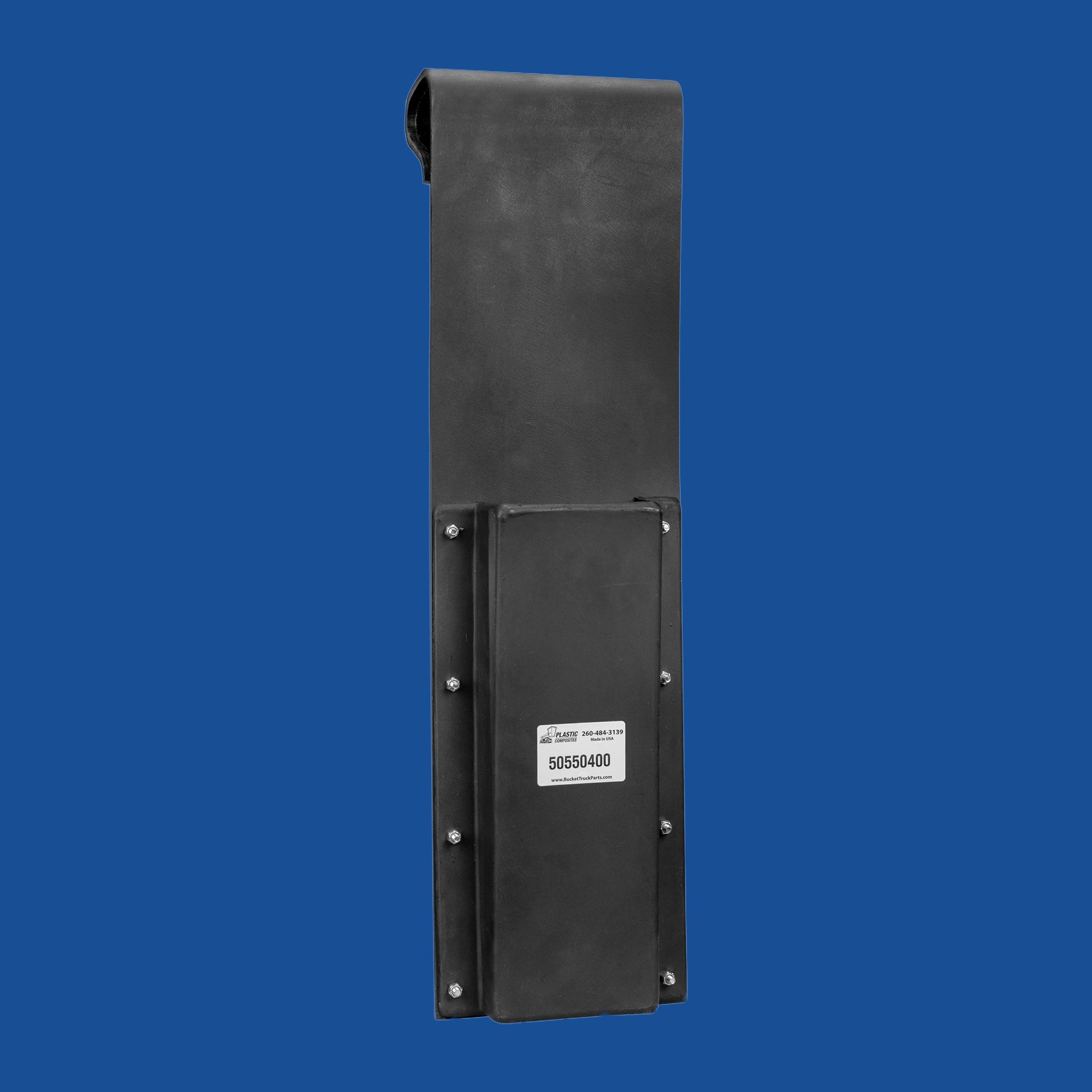
DESCRIPTION Chainsaw Scabbard - Plastic - Bucket Mounted (Inside Mount Only) (Unlined) Material: Plastic Part #:...
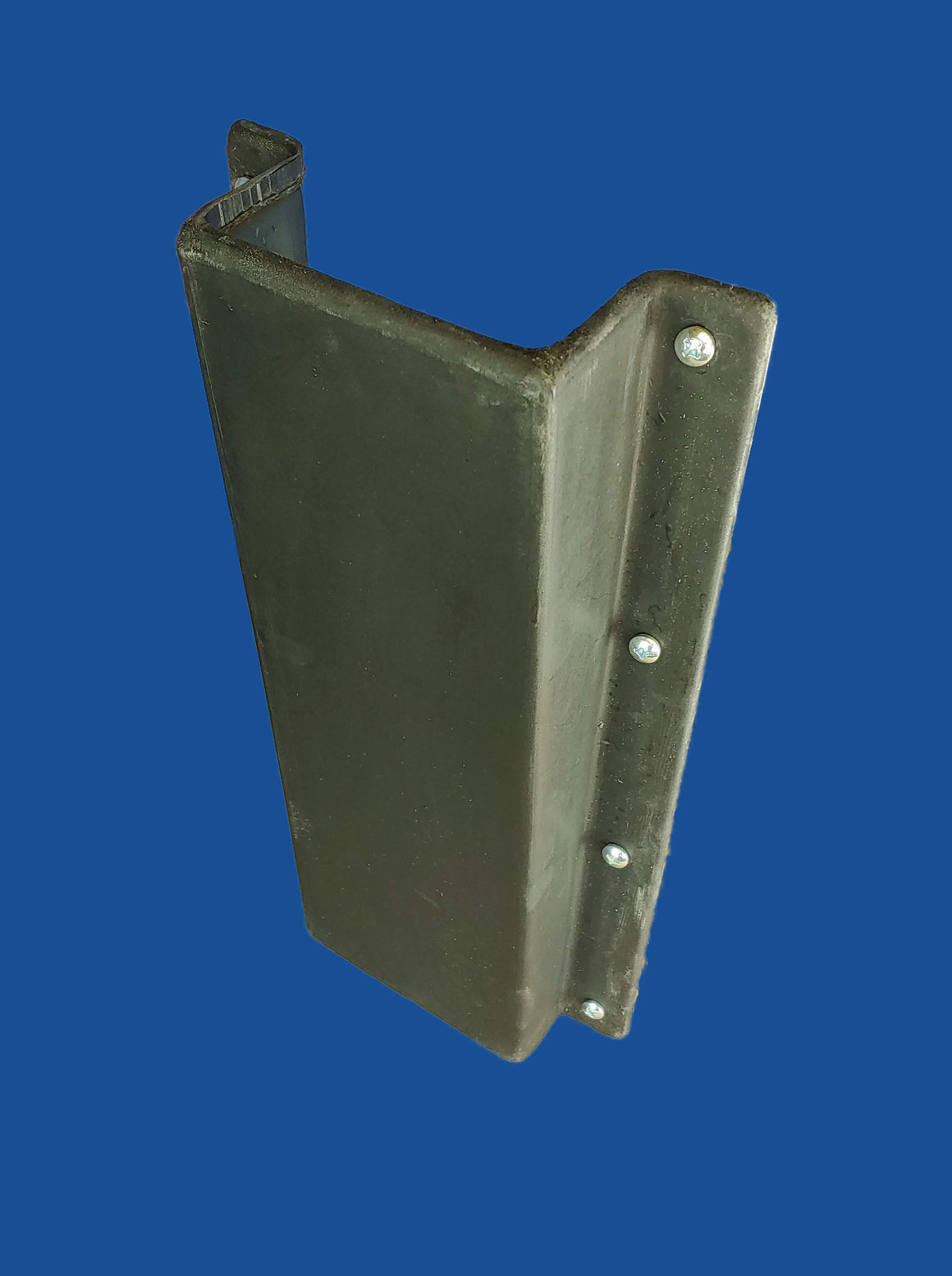
$68.00
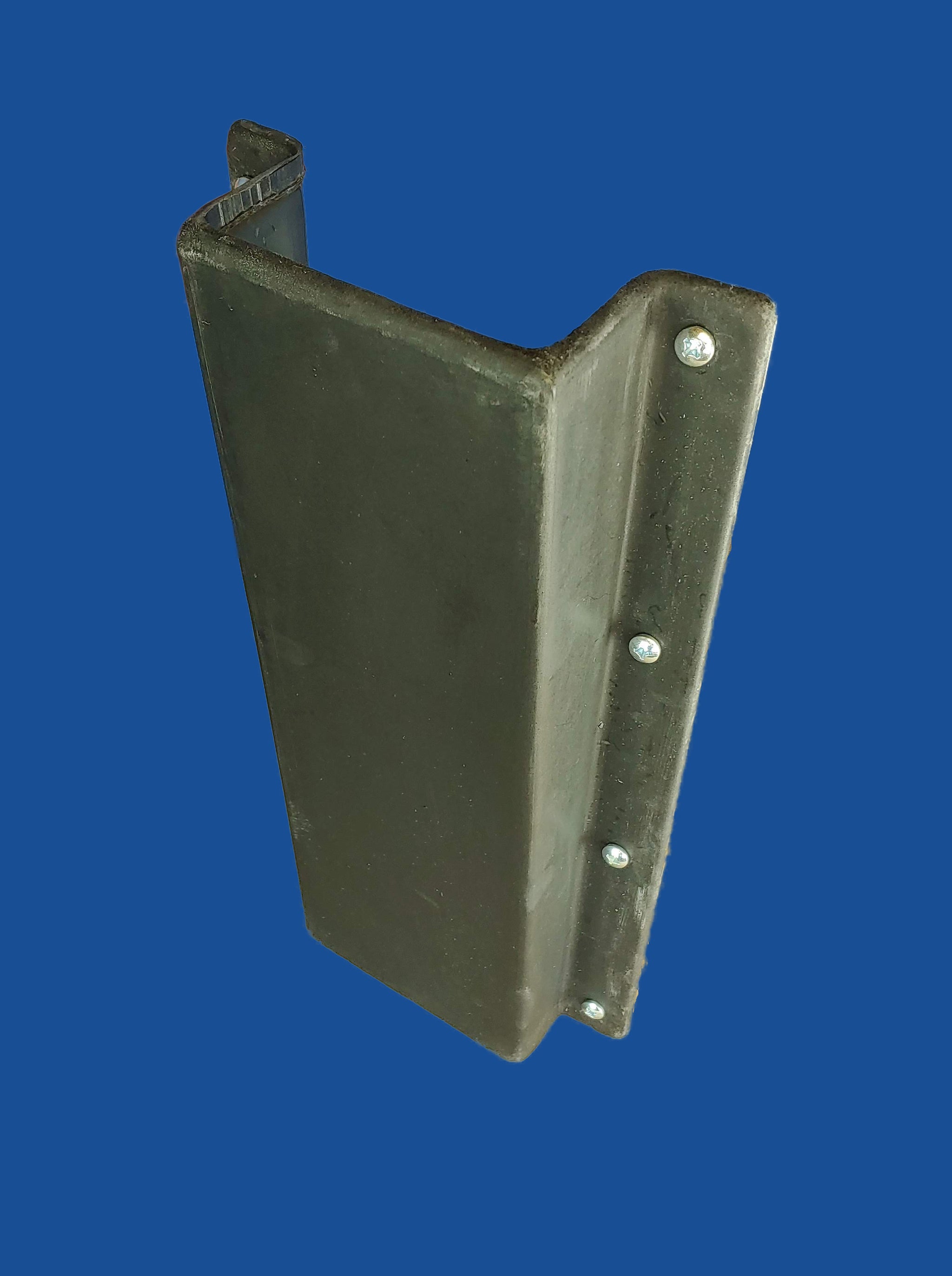
DESCRIPTION Chainsaw Scabbard - Plastic - Bucket Mounted (Holster & Hardware Only) Material: Plastic Part #:...
$279.00
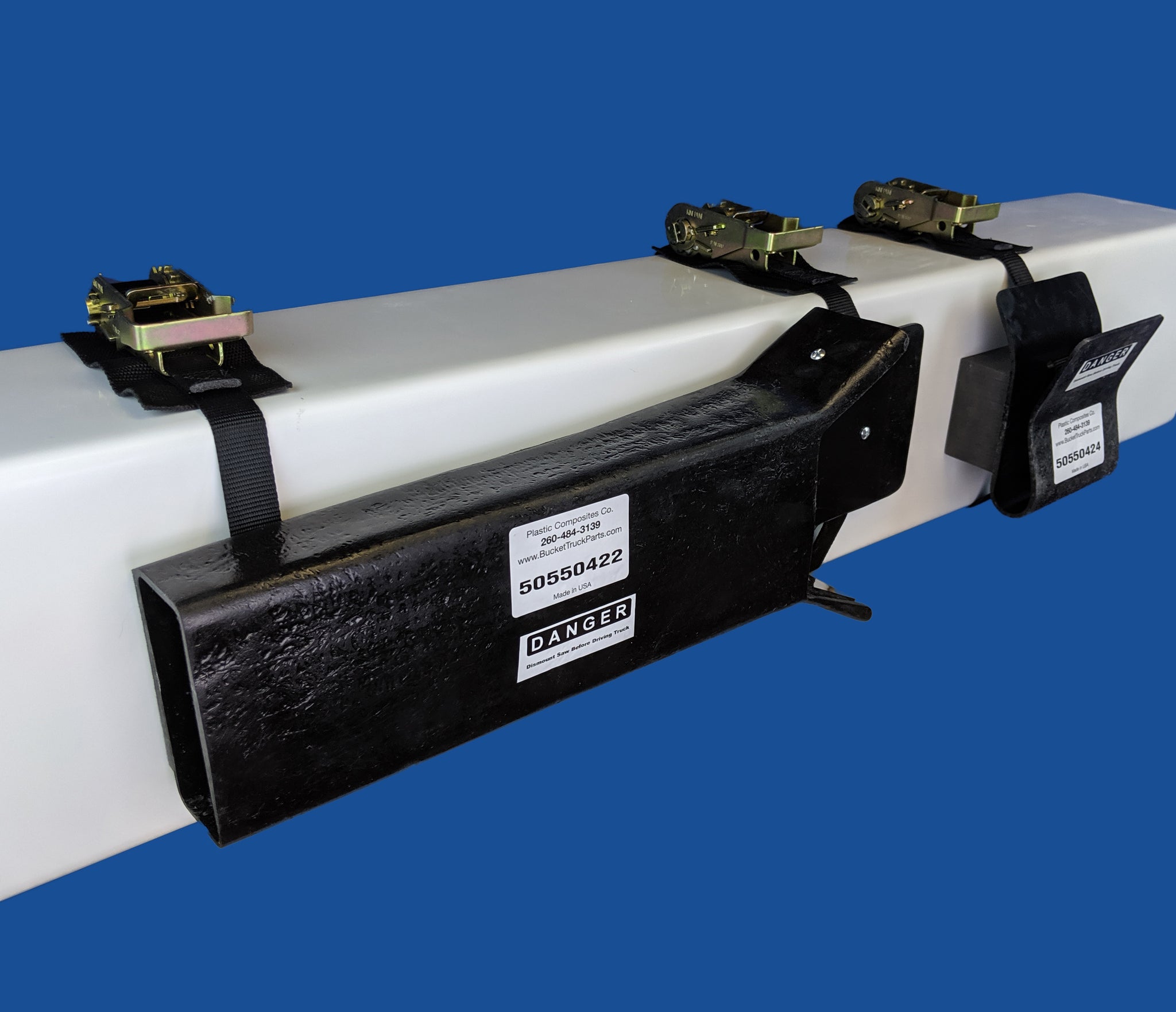
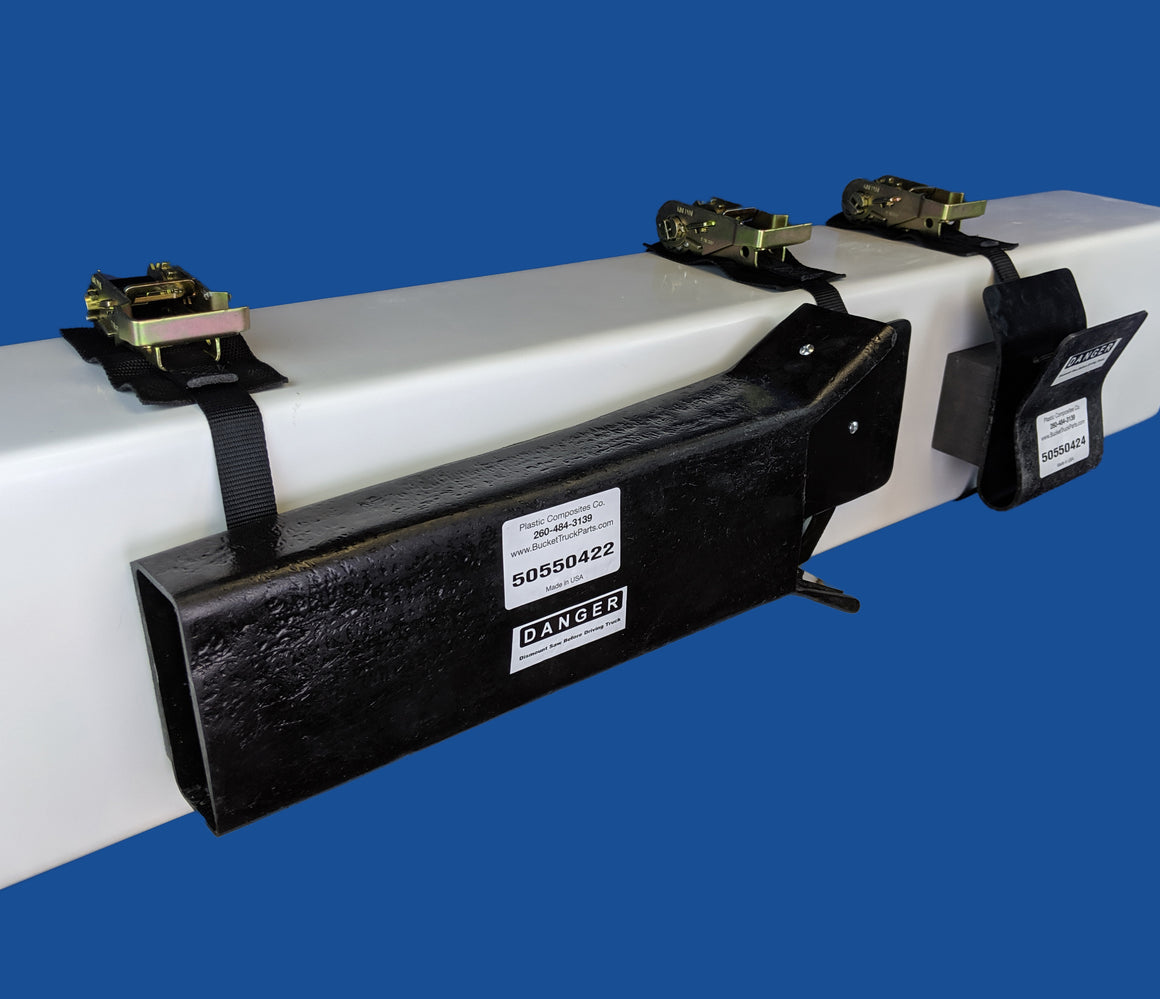
DESCRIPTION Polesaw Holder - Boom Mounted (Blade End and Handle End Set); Designed for Hydraulic...
Whether you need a new fiberglass bucket or if you want us to repair your old one, we can help. Check out our buckets page to see a small sample of the different brands and models we offer. We also offer many bucket truck accessories.
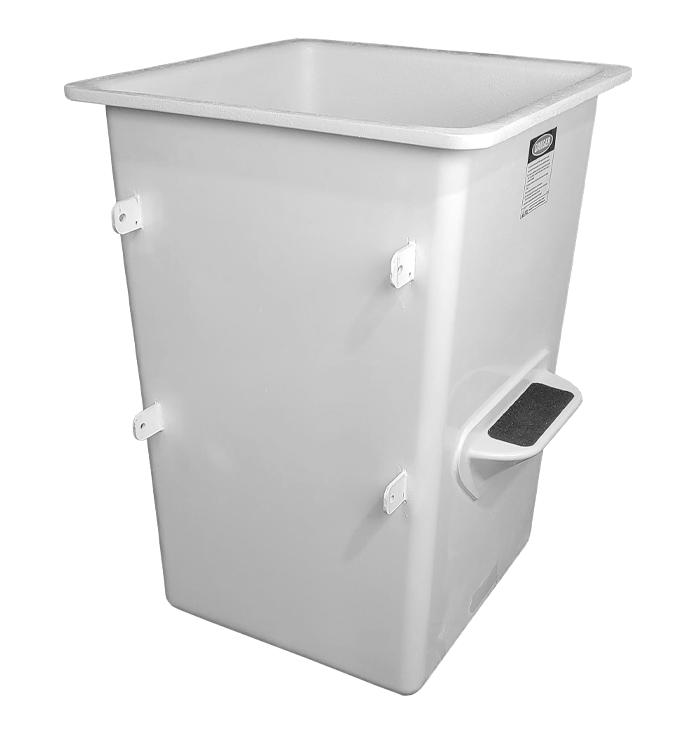
Bucket Liners are not one-size-fits-all kind of product. With a few quick measurements from you, we can ship the perfect liner, non-skid liner, or scuff pad for your specific fiberglass or plastic bucket. Use the guide on this page to help!
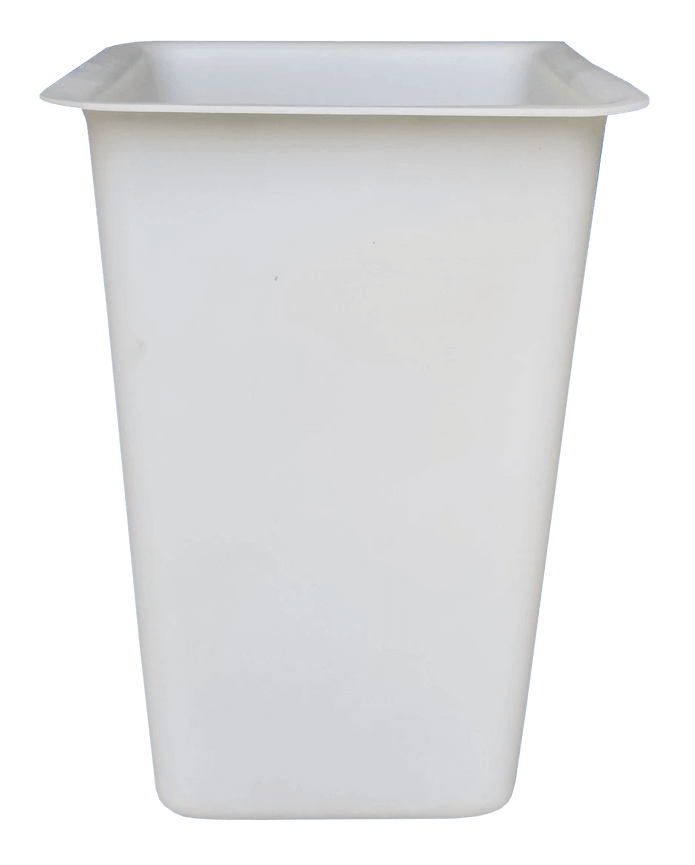
Find and get what you need quickly with our easy online ordering process.
Our payment portal uses the most up to date security software to keep your information safe.
Give us a call during normal business hours and talk to a real person immediately!
Our products are built tough because we know your day is hard enough already.
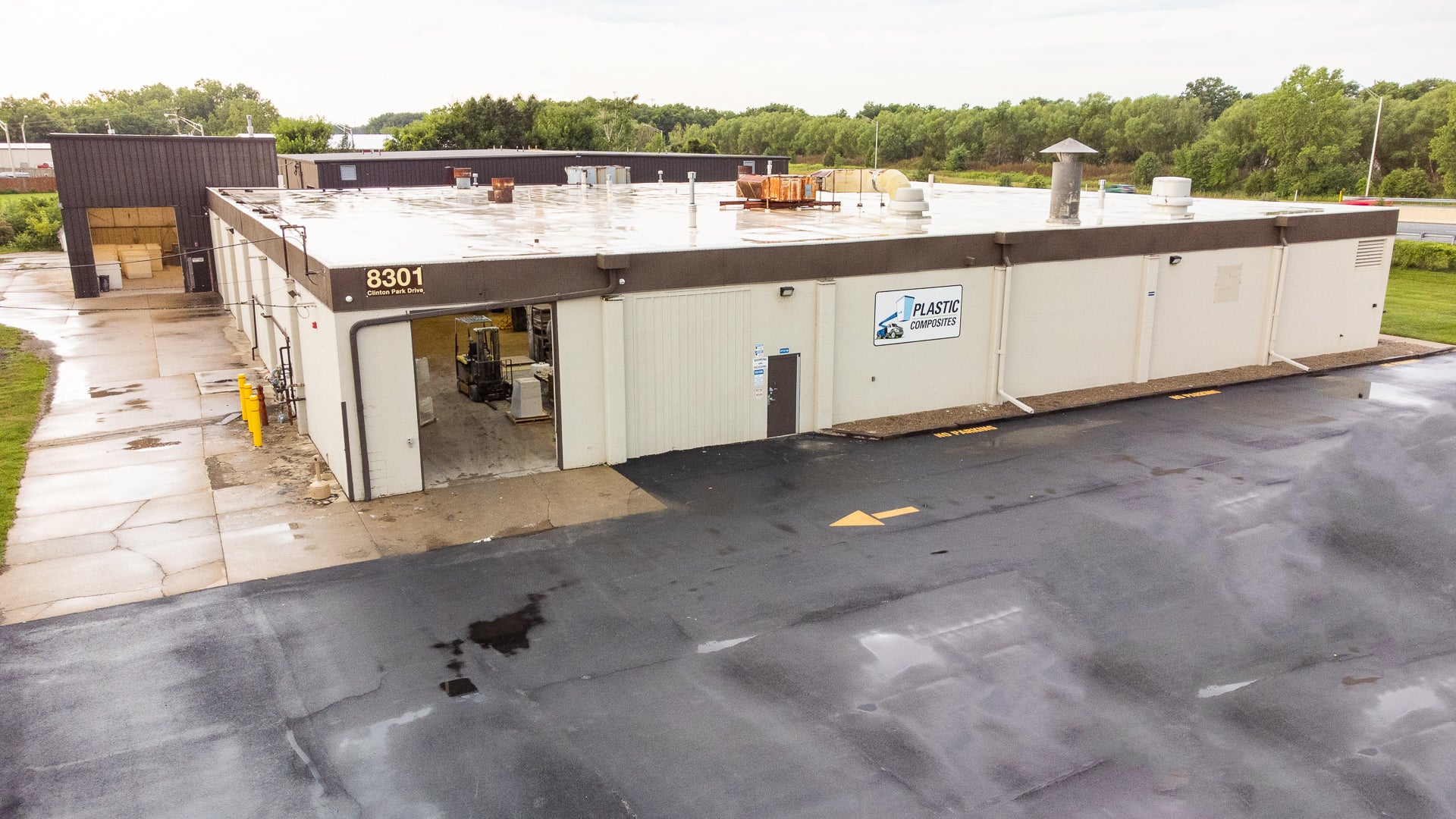
We have been supplying fiberglass-tough parts for over 60 years. We work within the bucket truck industry providing buckets as well as accessories for companies who use Bucket Trucks all day long. Click the link below to learn more about who we are and what we do.
About UsFill out our contact form and we will get back to you as quickly as possible. You can also call us at 260-484-3139 or send an email to Info@BucketTruckParts.com.
I mounted the scabbard on the outside of the bucket and it works great even with a bucket that is rails instead of the usual bucket. Solid build quality and the replaceable liner is nice for the future
Work Shelf - Bucket Mounted (Non-Skid Surface)
Good pricing and quick service on high quality goods.
High quality goods with fast delivery.
Bucket Cover - 28" x 51" Edge to Edge - Folding Hard Top
As described, shipped quick.
Timely shipping and exactly what was described
These guys are the best in the industry. I’ve been a customer for several years. Always so helpful and their products fit every time.
Bucket Cover - 28" x 34" Edge to Edge - Folding Hard Top
Bucket Cover - 28" x 34" Edge to Edge - Fiberglass
Works well shipped fast!
Will buy again.
Fits our needs. Communication and customer support perfect. The wrong delivery address was inputted and went out of their way to ensure correct delivery. After the delivery personnel put delivered and not here found and fixed it.
My second order of the folding hard top covers. Now all trucks in our fleet have them. No more ice buildup, these are great covers.