

Indexed Under: Boom Lifts For
A Field Note: It
Appears To Us You Have Selected Boom Lifts For - Yet There Exists Instruction On Making Lift
Bucket Repairs And Upgrades Dependable
It is
interesting that many have found while often
checking into Boom Lifts For, there are previously unaware
managers who have asked about the following as well:
It is true that you may be able to go to
someone who works with fiberglass in many other
roles, such as a body shop, general molder or other
product producer like boats, etc., they generally may
not provide the best protection for
the user or the company owning the aerial lift truck.
For instance, there are both structural needs and electrical insulating properties which can
be overlooked. Plus
legal/monetary risks they can't support. Moreover, it can be a tremendous
problem for a larger operation that has more exposure
over time because of higher volume of activityand the
resulting revenue it can generate. (For
those doing an analysis of Boom Lifts For, the comments contained
within this article may be more applicable to to whomever
carries the responsibility for field vehicle
operations.)

It is apparent,
this is not something that can be put in the category of
basic mechanical repair or restoration. It is
incumbent upon any operator to approach this situation
with more than simple production goals. So, some of
the special considerations involved in fiberglass repairs
and rebuilds of aerial manlift components
include:
What are the
technical needs to safely insulate the two sections of
the boom from one another, and how these needs can be
interfered with in a variety of field-induced
situations.
How strength must be retained
in the fiberglass boom insulators
The real insulating
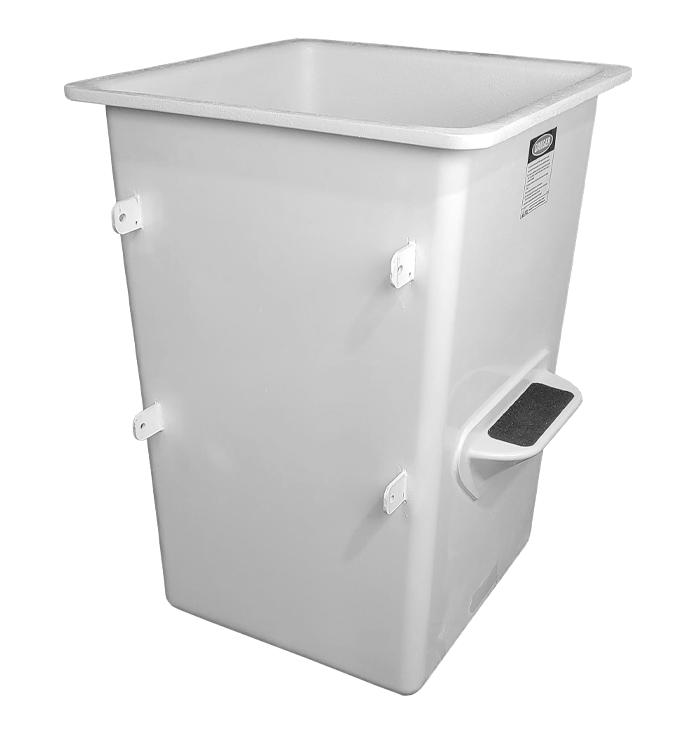
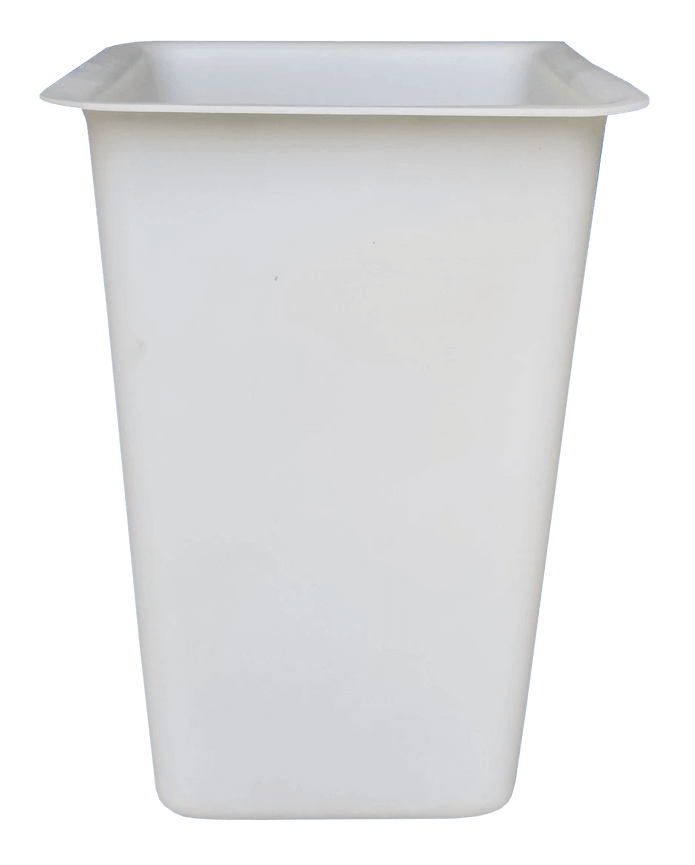
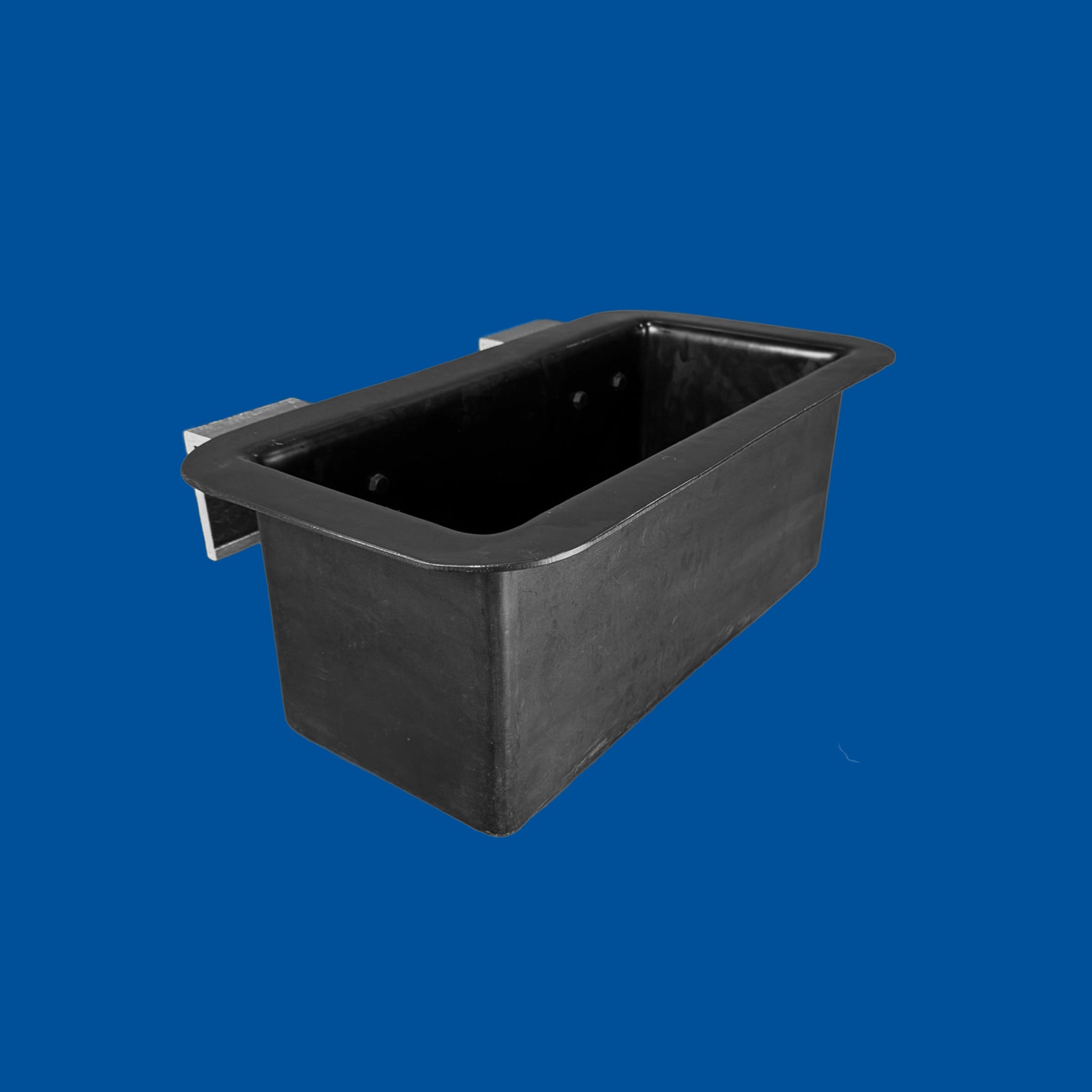
capabilities provided by the fiberglass bucket
itself.
The
requirements for correct
mounting of the bucket to
the boom..
If You Are Already
Thinking About Boom Lifts For, It Is A Short Step Over To An Evaluation Of Vendor Capabilities
So what capabilities are needed for the
entity that can safely complete a bucket truck lift
repair?
Is there an adequate amount
of fiscal protection, against any unanticipated risk
exposure by the group, that can fully support any
errors that might be made in providing aerial lift repair?
Are the
personnel technically competent for this type of work,
with a bonified record of testing and/or
credentials
such as those offered by the ACMA?
In addition
to the above, points to also review
include:
Is the company familiar
with the special needs of fiberglass components in aerial
man lift units?
How does a customer know
if the insulating properties of bucket and boom have been
maintained during repair? By using an approved testing
device. (Again, we realize your direct interest is in Boom Lifts For ,so there may be varying levels of need for this.
Beyond Boom Lifts For:
Examples of Specific Component Repair/Rebuild Issues and
How the Repair Company Should Handle Them
Let us take a look at
some steps a
qualified repair facility would typically undergo. With
broadly interpreting them, you can get a grasp of the
best practices of repair.
We have seen
all of these situations come into being.
No Obvious
Damage, Now What?
Here we find that a boom
section shows up with little or no instruction from the owner except - to do a general check-over and servicing. A
lower end repair shop may do a basic
visual inspection . However,
when the real uses of the component are considered by
a specialist, its clear they have a mandate that would do
more, including the following items:
Communication with - and gaining permission - prior to any charges being incurred.
A thorough cleaning inside and outside, followed by a
visual inspection with instruments that can help to
view into the inner cavity of the boom itself.
Initial dielectric testing to determine unwanted
continuity for any potential grounding that may
otherwise occur because of damage.
Load or stress testing (the manufacturer specifications should be consulted prior to the test).
Resurfacing.
Final electrical testing to ensure no part of the
process caused any issues/problems.
Publishing and
notification to the customer of all tests and
servicing done.
Highly protective packaging and attachment of
certifications prior to shipping.
An Obvious Cause For Concern
We will continue with
boom repairs since a failure at that level can be
catastrophic. Here we have again received
the top
section of a structural support boom. It has fractures that have been flagged in the field and also are confirmed by an initial visual inspection. There
is usually a cosmetic and visual coating on the boom
itself. In order to ensure that all damage can be
identified, this protective layer should be
stripped off and inspection made
both on the outside, and inside. Next determine if it can be repaired and the boom
restored to full and safe operation. This is done by
consulting what the manufacturer has declared proper, and
also comparing the damage to the capabilities of the
repair materials. These typically include physical
reinforcement, using similar OEM products and suitable
bonding materials which are impregnated into the repair
base. There will be a suitable timeframe for these
materials to setup and reach their full operational
resistance and use. At that point in time, a full
mechanical stress/tension test needs to be performed at
over the rated loading for the boom section. This
must be done on calibrated
equipment .
Appropriate electrical testing would follow the same
pattern, but this done
after surface finishing or layers are restored. Full
documentation needs to accompany the device back to its
owner/user.
A Case Where The Risk Is Too High
There are not a lot of backup
systems with a bucket style lift mechanism, especially when it concerns the
attachment of the boom to the bucket itself. There are
various ways that this main support can be
accomplished. In this case:
The main attachment
was accomplished through threaded rods that are in
effect integrated into the side of the bucket.
From a visual inspection, it was clear
that there were fissures in the actual fiberglass
that supported
these mounting rods.
Without even checking
further it is apparent that no amount of
reinforcement would likely return this
conveyance to a safe operating position.
This One Involves The Fiberglass Mounting Holes
Themselves
A glimpse into this particular
case:
1. A bucket is received for repair. The
aerial platform mounts to the boom via reinforced
fiberglass.
2. An initial examination of the mounting holes in the ribs reveals that there are cracks in the ribs at the location of the holes.
3. The prudent determination which
should be reported back from the repair group: The
bucket probably should not be repaired
A fiberglass lift platform comes into this particular shop:
1. The
mount side is not damaged, but the front corners are
cracked through. With proper techniques and
materials, the bucket can be repaired.
2. The
repairer should determine whether the customer just wants
the bucket repaired structurally or wants the bucket to
also be refinished to a like-new condition. In most
cases, the latter option is chosen.
3. A quotation for the cost of the
repair should then be given to the customer, and then the appropriate repair action should
be taken.
Tags: Boom Lifts For